
Consultation: Building the Blueprint for Wedding hair updos
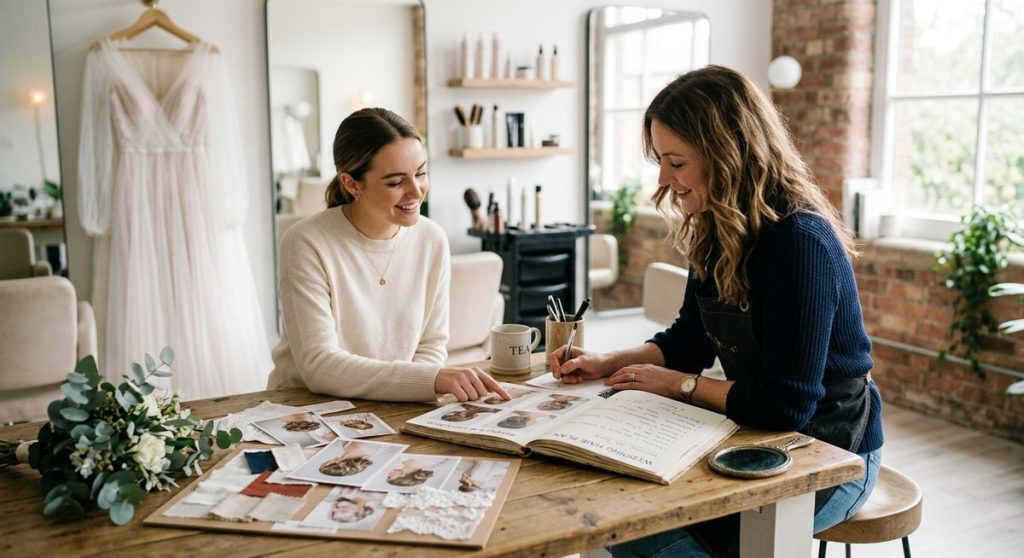
When creating wedding hair updos at Bloom Hair Studio, the process is as much about problem-solving as it is about artistry. Modern brides arrive with Pinterest boards overflowing with inspiration, but their desired style may not align with their hair type, wedding dress neckline, or the unique demands of a day-long celebration. It’s up to us, as professional stylists, to interpret those visions into tailored, secure, and stunning hairstyles that last from the first look to the final dance. Let’s break down practical strategies, consultation insights, and creative solutions specifically for wedding hair updos.
The groundwork for exceptional wedding hair updos always starts with a thorough consultation. At Bloom Hair Studio, this isn’t just a formality—it’s the moment where future troubleshooting is minimized. For example, assessing the bride’s hair density and texture helps forecast what’s achievable without relying solely on extensions or padding. Open conversation about the event’s logistics—such as outdoor versus indoor settings, anticipated weather, and veil usage—shapes critical decisions about support structures and product selection.
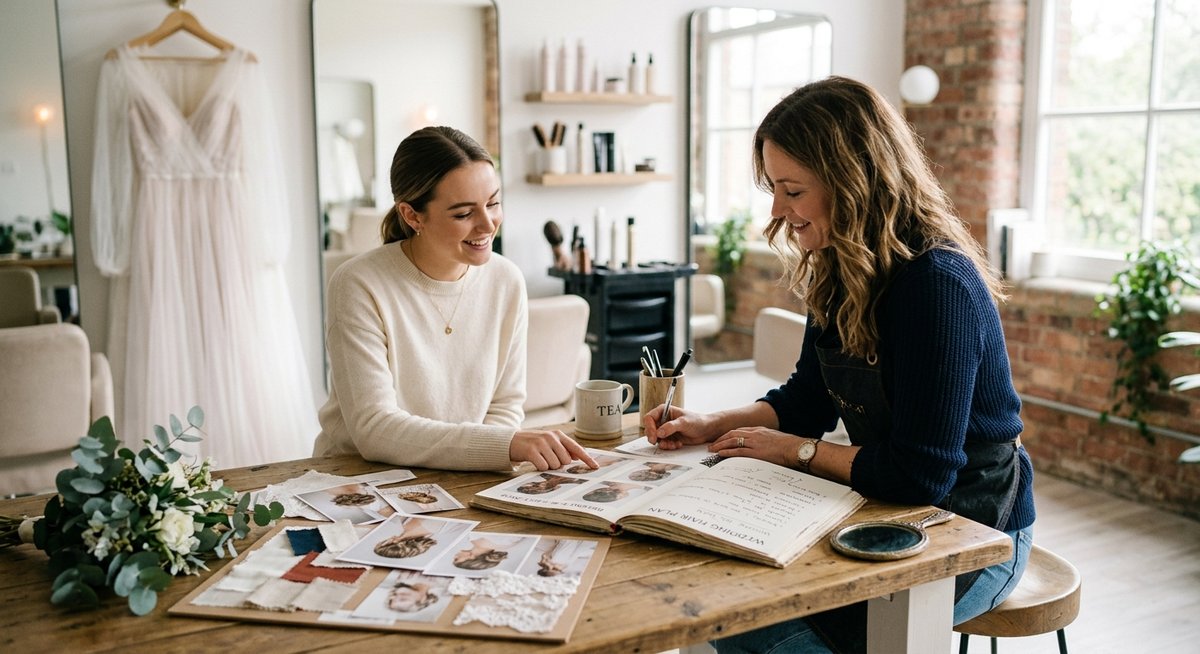
I always encourage bringing reference photos, but I make a point to discuss what specifically draws the client to each image: Is it the structure, the volume, the softness? Sometimes, the requested style features intricate braids on thick, highlighted hair, which can look drastically different on fine, dark hair. This is where honest, expertise-based recommendations become invaluable. The consultation culminates with a trial session, which is non-negotiable for complex updos, ensuring both stylist and client align on expectations and practicalities.
Technical Foundations: Prep Work that Pays Off
A long-lasting updo hinges on deliberate prep. Clean hair—often washed the night before the event—offers better hold and less slip than freshly-washed, overly silky hair, especially for fine or straight types. For thick or curly hair, smoothing and blow-drying techniques are vital to control frizz and create a more malleable canvas. Mousse or texturizing spray adds grip without making hair crunchy and, unlike heavy waxes, doesn’t weigh the style down.
Sectioning is key. I routinely pre-section hair into manageable zones before curling or waving, ensuring every coil cools in a clip so the shape sets firmly. This simple practice can add hours of longevity to curls, which are the backbone of most wedding hair updos. Before any pinning begins, a flexible hold hairspray offers memory to the hair, while allowing for brushing and adjustment.
Choosing the Right Updo for Dress and Venue
Context informs the shape and complexity of the style. A bride in a high-necked, detailed gown rarely benefits from a loose, undone chignon with tendrils, as it tangles easily and obscures dress accents. Instead, a tighter bun or structured upstyle not only frames the neckline but also withstands hugs, photos, and movement.
Outdoor ceremonies present their own challenges. Wind and humidity demand more anchoring, so I may use invisible hair nets or build internal frameworks with padding. Meanwhile, styles like twisted low buns or classic French twists remain timeless but require subtle adaptation for durability—think crisscrossed pins, micro-elastics, and strategic teasing.
Modern Interpretations of Classic Wedding updos
Today’s brides often request a “soft” or “romantic” look, but that doesn’t mean every strand should hang loose. Deliberately placed waves and gentle volume around the crown can read as effortless while being intentionally anchored. For fine hair, I might add hair wefts or use powder-based volumizing products for fullness; for thick hair, thinning shears and tight pinning keep the updo tailored instead of bulky.
Braids remain a client favorite for their visual interest and boho-chic vibe. I employ different techniques—like pancaking or pull-apart ballooning—to widen each braid, making fine hair look fuller while keeping the overall silhouette neat. With multiday events (common in some cultures), wearability is critical; high buns or crown braids stand up better than low, loose styles, especially with frequent outfit and accessory changes.
Securing Accessories Into Wedding hair updos
Veils, combs, decorative pins, and fresh flowers require forethought. For example, I never rely solely on clip-in accessories; they always get secondary support with pins woven through the structure of the updo. If a veil needs to be removable after the ceremony, a discreet anchor section makes this hassle-free—no need to frantically search and disturb the style.
For real flowers, wiring and wrapping stems is essential, particularly if the floral material is fragile or wilting-prone. For tiaras or heavy headpieces, I consult with the client about positioning during the trial, and I may even request the bridal party brings all expected pieces so we can test weight and balance.
Common Problem-Solving on the Wedding Day
Even the best-prepared updo occasionally needs day-of adjustments. For example, summer weddings can lead to unexpected sweat or frizz at the nape. Carrying a mini can of anti-humidity spray and extra pins is a must. For updos requiring extra tight hold, a final light mist of setting spray—used sparingly to avoid helmet-head—is the finishing touch.
Unexpected hairlines or cowlicks can make smooth updos challenging. In these cases, I use a toothbrush with a strong yet malleable gel to tame baby hairs for a polished finish, and I always pack portable touch-up kits for the client and their bridal party. This attention to workflow details is why, at Bloom Hair Studio, our wedding hair updos stay photo-ready long after the last toast.
Adapting wedding hair updos to Hair Extensions and Hairpieces
Extensions have become nearly ubiquitous for wedding styles, whether for length, volume, or enhancing detail in braids and twists. I routinely integrate both clip-in and tape-in extensions, ensuring attachment points are fully disguised and the weight is evenly distributed for comfort. When using hairpieces or buns, I color-match carefully and blend with heat tools for a seamless transition between the client’s natural hair and the synthetic or donor material.
Extensions also provide insurance for complex sculptural shapes—the type brides now request after seeing red-carpet or celebrity-inspired looks. When prepping these updos, I reinforce with internal pinning and soft backcombing, so nothing collapses mid-reception.
Communication Between Stylists and Clients: What Makes or Breaks Wedding hair updos
The strongest asset is honest, ongoing communication. Clients should never feel they’re making a request too small—whether it’s for additional holding spray, more or less face-framing, or even breaks during the process. Expectations about comfort, security, and removal must be set before the big day. For colleagues, I recommend sharing best practices across your team. At Bloom Hair Studio, we keep up-to-date reference imagery and notes on previous updos, so when troubleshooting arises, the team has a knowledge base to reference. This collaborative mindset is what distinguishes outstanding service from merely competent styling.
Further learning for event hair professionals
While hands-on practice remains invaluable, there’s always room to update technical repertoire. Renowned educator Sharon Blain regularly publishes advanced updo tutorials and training for stylists seeking to expand their repertoire. For reference, the Modern Salon education portal is a trusted resource featuring current trends and technical walkthroughs for working professionals.
Conclusion: Why Craftsmanship Matters for Wedding hair updos
There’s no universally perfect technique for wedding hair updos. Every head of hair is a new equation, from the client’s personal history with dyes and heat tools to the day’s environmental realities. At Bloom Hair Studio, our greatest successes come from embracing these specifics—consulting in detail, prepping with thought, and troubleshooting decisively on-site. The artistry emerges not only in the final pictures but in each moment the style survives real-world wear. I encourage every stylist to approach the next updo with fresh eyes, knowing that creativity, clear planning, and technical savvy always win the day—and the dance floor.