
Understanding keratin hair treatment and its unique benefits
Keratin hair treatment is a professional service that consistently attracts clients seeking smoother, more manageable hair. At Bloom Hair Studio, we see a steady demand among those battling frizz, breakage, or simply wanting to streamline their daily routine. While the promise of silky, glossy hair is appealing, a successful keratin hair treatment requires not just proper technique but also an understanding of hair type, product selection, and aftercare. In this article, I’ll share practical insights from daily salon practice and break down the specifics that set this option apart from other smoothing treatments.
treatment works by infusing hair strands with a structural protein naturally found in healthy hair—keratin. The process fills in microscopic gaps in the cuticle, resulting in a smoother surface and enhanced strength. What stands out with this treatment is its ability to tame frizz even during humid months, providing a natural, not “pin-straight,” finish if done professionally. Clients often appreciate how their hair repels moisture and holds style with minimal effort for weeks, sometimes months.
How keratin hair treatment differs from other smoothing options
The hair care market offers a range of smoothing and straightening services, but treatment sits between temporary smoothing serums and permanent chemical straightening. Unlike relaxers, it doesn’t break hair bonds or alter natural texture irreversibly; instead, it lasts 2–4 months depending on hair growth and wash frequency. This transience appeals to those wary of commitment or hair structure changes. Moreover, keratin formulas can be tweaked for various hair types, allowing customization for fine, medium, or ethnic hair. Therefore, it’s a versatile choice in the professional toolkit.
Choosing the right client for keratin hair treatment
Not every client is the ideal candidate for treatment. In the salon, we recommend this procedure most often to clients with persistent frizz, dry or unmanageable mid-length to long hair, and those struggling with dullness after repeated coloring. In contrast, clients with very fine, limp hair or those wanting to retain significant volume may not love the results. It’s also critical to factor in any previous chemical treatments—overprocessed hair might require special handling or a phased approach.
The step-by-step keratin hair treatment process in a salon
Preparing clients for the treatment requires clear communication about the time investment (typically 2–3 hours) and the importance of aftercare. Here’s how we approach the process at Bloom Hair Studio:
- Clarifying shampoo: First, we cleanse the hair thoroughly to remove styling products, sebum, and environmental build-up. This prep step ensures maximum keratin absorption.
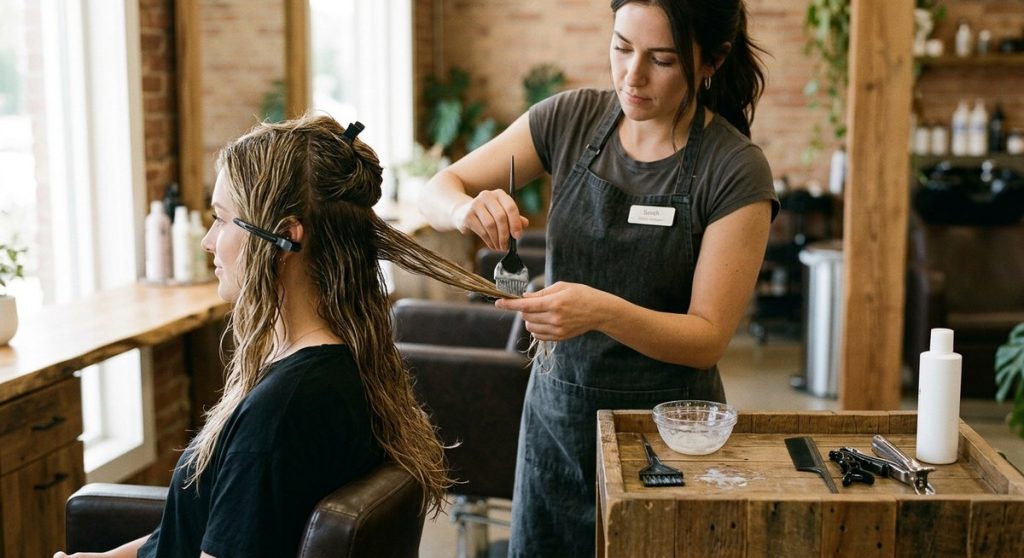
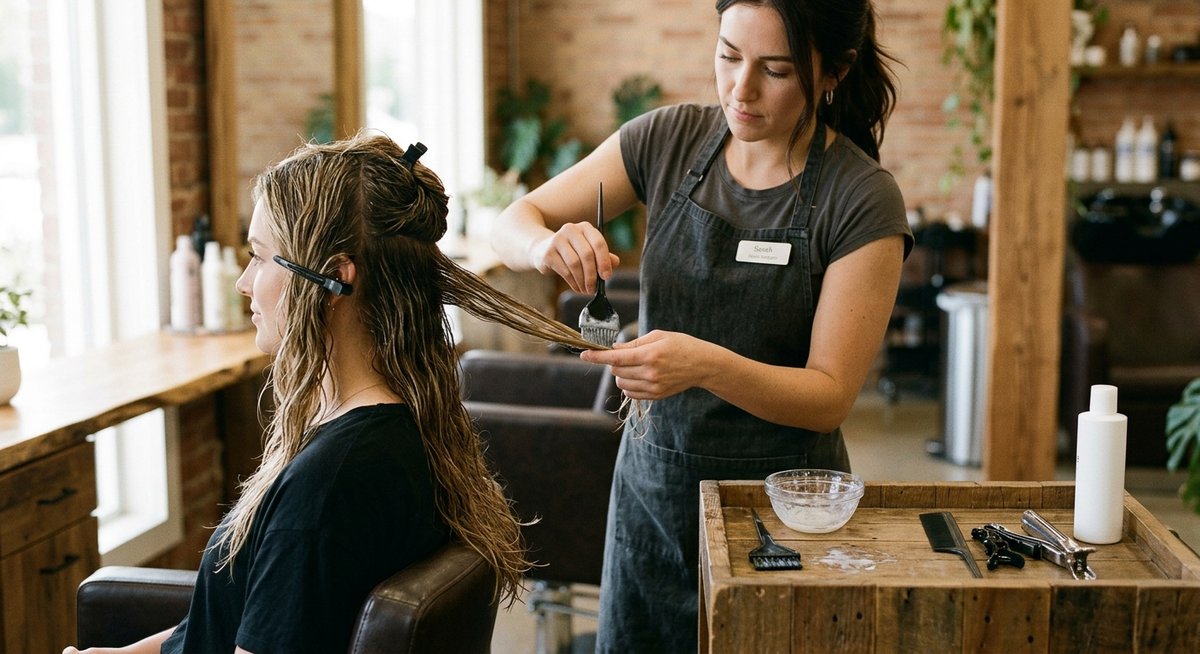
- Sectioning and product application: Working in thin sections, we apply the keratin formula evenly to avoid patchy results, focusing on mid-lengths and ends. Overapplication near roots is avoided to prevent an oily, weighed-down finish.
- Processing time: The hair is allowed to absorb the treatment for 15–45 minutes depending on texture and the product used; then, we carefully blow-dry and flat iron the hair at a controlled temperature. This seals the protein “in” and achieves the smooth surface clients expect.
- Final assessment: After flat ironing, we evaluate the gloss, manageability, and feel. Client feedback here is crucial—any tweaks can be discussed for future sessions.
This methodical approach minimizes risk, such as overprocessing or lingering film, while optimizing the longevity of the smoothing effect.
Sourcing and choosing professional keratin formulas
There has been an evolution in keratin treatment products, especially regarding safety and ingredients. Early formulas sometimes contained formaldehyde or its derivatives, raising health concerns. Today, most reputable brands have moved toward formaldehyde-free options, which still deliver lasting smoothness with far fewer risks. When selecting a product, I always check the ingredient list and manufacturer guidelines—respecting ventilation and gloves is still standard. For colleagues seeking in-depth information, the FDA’s official guidance provides reliable updates on permissible components and safety.
Customizing keratin hair treatment for different hair types
No single formula fits all. For example, fine, color-treated hair may benefit from a “soft” keratin or express version to preserve movement, while coarse or curly hair might require a more intensive, moisture-rich formula. We always perform a strand test if hair history is unclear, as it’s safer to err on the side of caution—especially with newly lightened or compromised hair. In practice, a 5-minute extra consultation saves far more in potential rework or damage repair.
Common mistakes and professional solutions
Keratin treatments can dramatically improve hair texture, but common pitfalls exist, even among seasoned stylists. Applying too much product or failing to clarify thoroughly can leave hair sticky or flat. Using tools at incorrect temperatures may result in uneven smoothing or, worse, heat damage. We emphasize record-keeping for each client’s product batch, processing time, and iron settings to spot patterns and fine-tune protocols. Another recurring issue is improper aftercare guidance; clients returning with prematurely fading results often reveal use of sulfate-based shampoo. We provide specific aftercare instructions—sometimes with product samples—to reinforce best practices at home.
Aftercare essentials for lasting results
Maintaining the look and benefits from a treatment depends on home routines. I instruct clients to avoid washing for 48–72 hours and to use only recommended, sulfate-free shampoos and conditioners thereafter. Heat styling is okay but should be kept moderate. Swimming in chlorinated water or the ocean can accelerate fading, so applying a protective leave-in or wearing a cap is wise for frequent swimmers. If the client does color their hair, timing touch-ups before the treatment yields the best color-vivid result—this order minimizes color dulling and accelerates keratin absorption into porous ends.
Is right for every client?
The reality is, treatment is not a universal solution. For clients seeking pin-straight hair, permanent straightening or relaxers might still be preferable. For those with severe breakage or scalp sensitivities, bond-building treatments or hydrating masks could deliver better results. Discussing lifestyle, styling habits, and hair history during an in-person consultation ensures clients’ expectations align with what keratin can actually deliver.
Summary: Maximizing benefits in the salon
From a technical standpoint, the allure of the keratin hair treatment lies in its ability to provide manageable hair with little daily input—but only with proper customization and aftercare. Understanding product ingredients, adapting technique to texture, and clear client communication are key. At Bloom Hair Studio, we continually refine our approach based on feedback and real-case results. For any stylist considering adding—or optimizing—keratin treatments, prioritizing ongoing education and ingredient transparency pays dividends in client satisfaction and repeat business.