
The roots of hair dye history: Ancient colors and cultural…
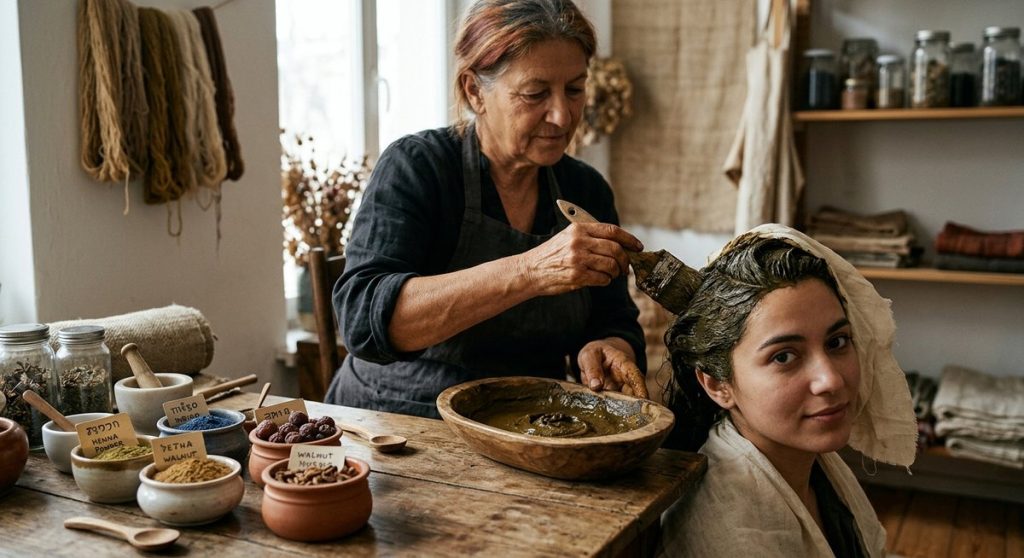
If you spend your days consulting with clients about complex color transitions or correcting the odd DIY mishap, you’ll recognize just how relevant hair dye history is to the work at Bloom Hair Studio. Understanding where our current palette comes from–and why certain formulations work the way they do–isn’t just trivia; it’s the backbone of good, ethical, and creative salon practice.
Before the age of ammonia and foils, hair coloring relied on what nature could offer. In ancient Egypt, as far back as 1500 BCE, henna was a mainstay for those desiring red tones or covering the first greys. Egyptians were notorious for their attention to grooming, and even royalty’s wigs were dyed using saffron or indigo. By Roman times, recipes grew in complexity: fermenting leeks in vinegar for weeks was a classic grey-coverage technique. Meanwhile, in ancient China, black dyes derived from walnut shells and plant ashes marked status and longevity.
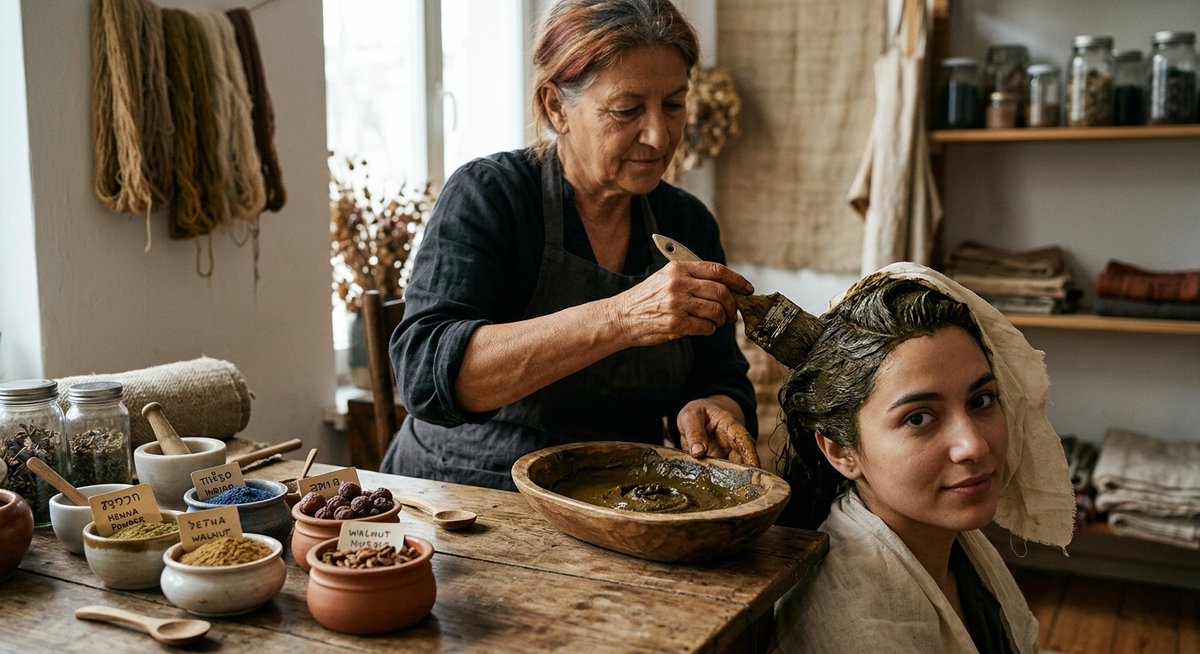
This early chapter in hair dye history illustrates a key point that remains true for us in the salon: process matters as much as pigmentation. The difference between an even, lustrous finish and patchy, unpredictable results so often came down to application technique and patience—much as it does today.
The science of transition: How hair dye history shaped chemistry
It wasn’t until the 19th century that hair color moved from organic experimentation to laboratory science. In 1863, English chemist William Henry Perkin accidentally discovered the first synthetic dye—mauveine—while trying to synthesize quinine. This led to the development of para-phenylenediamine (PPD), a colorant base still used in many permanent dyes at Bloom Hair Studio and elsewhere.
Permanent coloring, by definition, involves penetrating the hair cuticle and cortex, then oxidizing with developers to create a long-lasting shade. Hair dye history tells us that the structure of PPD allowed developers to “lock” color into the hair strand. This breakthrough helped colorists offer a truly dramatic range of shades, rather than merely enhancing natural color or covering greys.
Professionalism and product safety: Lessons from hair dye history
As coloring gained popularity in the 20th century, so did consumer risk. Early synthetic dyes sometimes contained toxic metals like lead or bismuth, leading to allergic responses or worse. That’s why, as a professional at Bloom Hair Studio, I always take the time to consult about allergies, sensitivities, and previous color histories before applying even the “safest” modern formulas. For complex cases, patch tests and strand tests are standard, and our product knowledge is informed by decades of evolving safety regulation. The FDA hair dye regulations provide additional context for the industry’s changing standards in ingredient safety.
The evolution of client expectations: From discreet grey coverage to creative self-expression
In postwar America and Europe, a flood of advertising around “natural-looking” dyes and at-home kits (think Clairol’s “Does she… or doesn’t she?” campaign) signaled a sea-change. Suddenly, color wasn’t just about camouflage; it was about transformation, confidence, and fashion. Salons like ours responded by investing in advanced formulations—think oxidative dyes, non-ammonia alternatives, and customized technique training. Today’s vibrant fashion colors and balayage trends grew out of this same spirit: color as statement, not just as solution.
hair dye history in the hands of modern professionals
Every color technician will appreciate the through-line from historic recipes to contemporary salon processes. Instead of laboring with boiled walnut shells or vinegar-soaked leeks, we reference shade charts, molecular gradients, and pH levels. Yet the fundamentals—understanding hair porosity, previous chemical treatments, and client goals—remain much the same as they were centuries ago.
For example, a client with historically dark, coarse hair at Bloom Hair Studio might mention her grandmother used brewed tea for highlights. This recalls traditional tannin-based dyeing, which gently deposits color without significant penetration or cuticle disruption. In contrast, clients seeking platinum blondes and pastel shades are benefiting from decades of research into safe lightening and toning protocols, informed by chemical theory as much as visual artistry.
From plant pigments to permanent color: Timeline highlights
- Ancient times: Henna, indigo, and walnut used for ritual, status, and concealment of grey.
- 19th century: Synthetic color discovery, with PPD enabling stronger, longer-lasting change.
- Early 20th century: Advent of “invisible” grey coverage, and gendered marketing of hair dyes.
- 1970s–present: Increasing regulation, demand for gentler products, and invention of “direct dyes” for bold colors.
The journey mapped by hair dye history is reflected in every formulation we mix: the science of color molecules, the art of application, and the ethical choices shaped by generations before us.
Contemporary implications: Why hair dye history matters for Bloom Hair Studio
On the salon floor, respect for hair dye history shapes more than just technical decisions. For staff, training is grounded not just in “how” but “why” modern color works safely and predictably. For example, knowing that semi-permanent dyes interact only with the cuticle (rather than the cortex) informs how we tackle color corrections and minimize damage.
Clients benefit from this historical awareness, too. When they ask why their boxed dye turned out uneven, or what the difference between ammonia-based and ammonia-free color lies, they’re tapping into an evolving story. As a team, referring back to foundational color chemistry helps us explain options clearly, propose realistic outcomes, and secure client trust—not because we’re following a script, but because we truly understand the roots and risks of color.
as a creative and ethical guide
Far from being a series of disconnected dates or trivia, hair dye history is a practical tool for every color professional. It equips us to make robust, safe decisions; to educate clients about timing, tones, and aftercare; and to troubleshoot complications consciously. At Bloom Hair Studio, our respect for tradition sits right beside our search for innovation—and that’s what keeps our color work vibrant, responsible, and always evolving.
Further reading and resources
To delve deeper into the science and global context of salon coloring, I recommend the in-depth industry overview at Encyclopaedia Britannica’s entry on hairdressing. This resource provides a cultural and chemical backdrop that mirrors what we see on our salon chairs every day.
In the end, today’s trends are tomorrow’s history. And for every modern balayage service or vibrantly hued bob, there’s a rich, sometimes surprising line running straight from the world’s earliest dye pots to the shelves of Bloom Hair Studio.