
What Sets Balayage Highlights Apart?
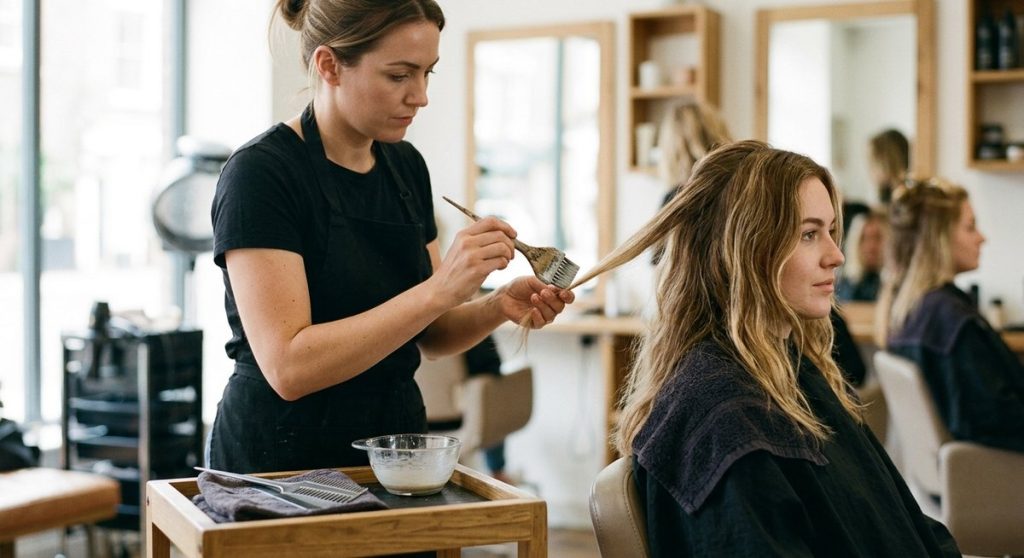
Balayage highlights have become a go-to technique for clients looking for soft, dimensional color without harsh regrowth lines. At Bloom Hair Studio, balayage highlights are used to create that sun-kissed, seamless blend many clients request, especially those aiming for a low-maintenance yet modern look. In this article, I’ll break down how balayage highlights differ from traditional foiling, what makes them unique, and the practical considerations for both clients and colorists.
Instead of placing hair in foils and applying color from root to end, highlights are painted freehand. This method allows for more control over color placement, letting the stylist sweep lightener or color exactly where dimension and brightness are needed. For clients who want a natural blend, highlights avoid the hard demarcation lines typical with classic highlighting. The result is a softer grow-out and a more bespoke finish.
Origins of the Balayage Highlights Technique
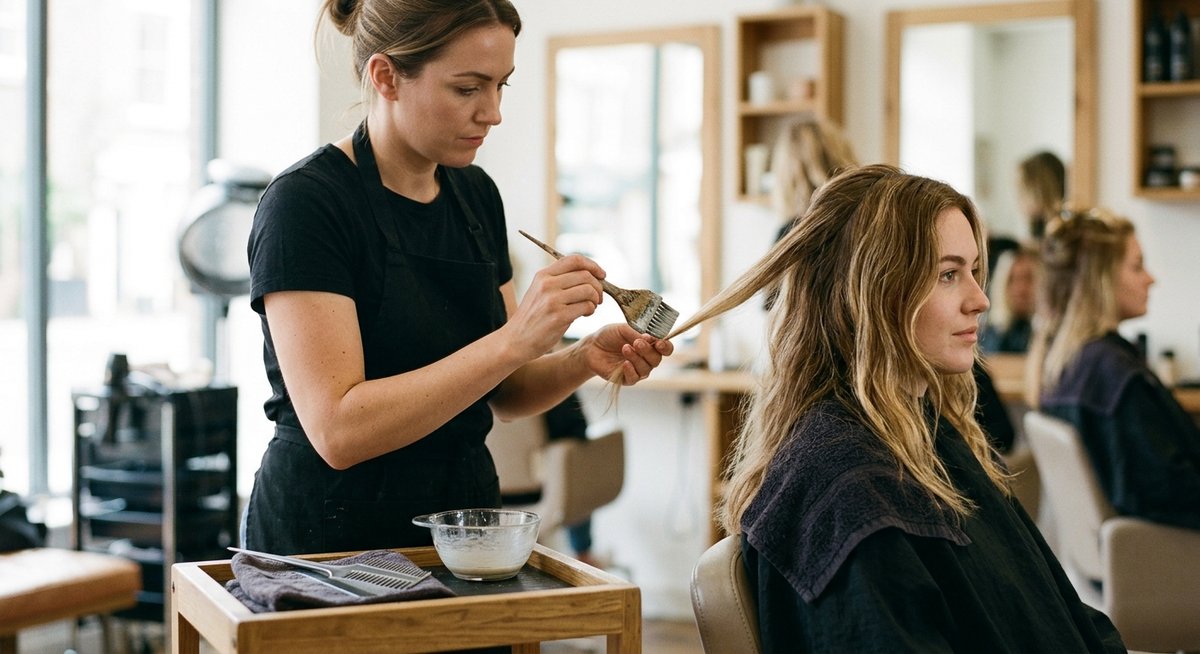
Though it might seem like a modern innovation, balayage originated in France in the 1970s. The word “balayage” translates as “to sweep,” and that’s exactly how the product is applied—sweeping or painting it on the surface of the hair. The method was revived in the 2010s with the rise of more natural, effortless color trends visible on social media and celebrities. Today, highlights are a staple at salons like Bloom Hair Studio, particularly for clients wishing to emulate looks seen on style icons and influencers.
Application Insights: Achieving Perfect Balayage Highlights
Balayage demands both creative vision and attention to detail. The hair is divided into sections, but instead of rigid partings, the stylist works according to the hair’s movement and fall. At Bloom Hair Studio, the painted lightener is often feathered at the root and saturated at the mid-lengths and ends to achieve a seamless transition.
The lightener (or sometimes a gentle color lift product) is usually applied using a paddle or brush. It’s important to monitor processing closely—balayage is an open-air technique, so the product may not lift as quickly as foiled highlights. Some stylists use plastic wrap or mesh between sections to prevent color transfer, especially on finer textures. After reaching the desired lift, a toner or gloss is frequently used to refine the tone—cool, warm, or neutral, tailored to the client’s skin tone and preferences.
Because highlights are so customized, application times vary. Shorter, layered hair or bold effects require a different approach than subtle tonal shifts on longer hair. Balayage isn’t a one-size-fits-all process; it’s essential to consult each client about their expectations, natural base color, hair history, and aftercare commitment.
Why Clients Choose Balayage Highlights—And When They’re Not Ideal
Most clients at Bloom Hair Studio choose highlights for their low-maintenance reputation and soft, blended finish. With this technique, grow-out is less obvious, so clients can visit every three or even four months instead of the usual six-to-eight weeks for traditional highlights. Balayage is especially popular among those wanting to avoid a line of demarcation as their natural roots return, and it works for almost every hair color—brunette, blonde, or even vibrant fantasy shades.
However, highlights aren’t ideal for every client or every look. Those seeking high-contrast blonding from roots to ends, or who want to go much lighter overall, may need a combination of foils and balayage, or a different approach entirely. Clients with extremely dark hair and expectations of very cool, bright blondes may need several sessions for healthy results, or a conversation about realistic lightening limits. Effective communication is vital up front, so expectations sit firmly within what highlights can deliver.
Maintenance and Aftercare for Balayage Highlights
Though highlights grow out more softly, maintenance is still key for healthy, vibrant results. Professional sulfate-free shampoos, regular deep conditioning, and heat protection are non-negotiable if clients want long-lasting, luminous color. Toners or glosses help keep the tone fresh and reduce unwanted brassiness; Bloom Hair Studio typically recommends clients come back every 8-12 weeks for a refresh.
Additionally, a purple or blue shampoo can be suggested for blondes to keep yellow tones in check, but these should be used in moderation to avoid over-toning. Each hair type and color target has its nuance—clients should always reach out with questions, since personalized advice is often more effective than general guidelines.
Practical Tips for Colorists and Stylists
Successful highlights depend on both technical skill and a strong consultation. Always assess hair health before lightening. Damaged or over-processed hair may not withstand balayage as well; in these cases, alternative techniques or conditioning treatments might be a better first step.
For best results, section hair based on natural fall and desired end result, not just traditional mapping. At Bloom Hair Studio, stylists often work with a mix of freehand painting and “foilyage” (wrapping painted sections in foils) if they want a bit more lift. Pay attention to how much product you use: enough to saturate the midlengths and ends, but not so much it causes bleeding or patchiness.
Clean blending at the root and creative placement on the surface is essential for dimension. Keep a visual reference handy—photos, swatches, or even mood boards ensure the client and stylist are aligned. And always document results for future visits; tracking formulas and placement helps maintain consistency, especially for repeat balayage highlights clients.
The Versatility of Balayage Techniques
Balayage isn’t just for blondes. It’s incredibly versatile and can be adapted to everything from subtle caramel ribbons on brunettes to bold jewel tones on pre-lightened bases. The freehand approach also means the stylist can place highlights to visually enhance haircut and facial features—lifting cheekbones, framing the face, or creating an illusion of fuller, more voluminous hair. For inspiration and examples, this gallery at Allure offers a wide range of balayage results across different hair types.
Why Remain Popular
The adaptability and forgiving grow-out are key reasons balayage highlights are here to stay. For clients at Bloom Hair Studio, a tailored balayage means a look unique to their hair and lifestyle, not a carbon copy of everyone else’s color. For colorists, it’s a chance to combine artistry and technique, enhancing natural beauty while giving clients more freedom between appointments.
Ultimately, whether you’re introducing a client to this technique or refining your own approach, mastering balayage highlights equips you with a skillset well suited to the evolving demands of modern hair color. Every head of hair becomes a custom canvas, where placement and tone combine to create beautiful, lived-in color—backed by expertise and attention to detail that sets your work apart.