Understanding the Appeal of Layered Haircut Techniques
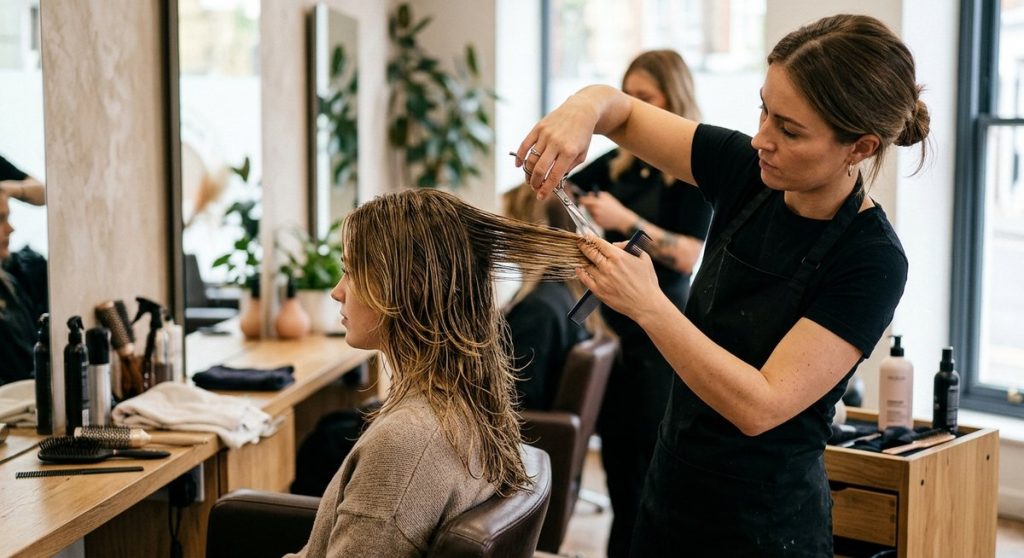
Layered haircut techniques represent a cornerstone of advanced cutting at Bloom Hair Studio, providing stylists with a toolkit for creating shape, movement, and a personalized look for every client. Especially in today’s diverse salon environment, the ability to execute and adapt various layering methods is essential for both everyday styles and dramatic transformations.
Clients request layering for a host of reasons—volume, face-framing, removing weight, or building texture. However, the real art lies in choosing (and combining) the right techniques for an individual’s hair type, growth patterns, lifestyle, and end goal. A blunt, single-layer look might work for ultra-thick straight hair, but fine, wavy hair comes alive with soft, seamless layers. Meanwhile, a classic graduated bob demands precision layering for structure and bounce.
Classic Layering: Foundation and Evolution
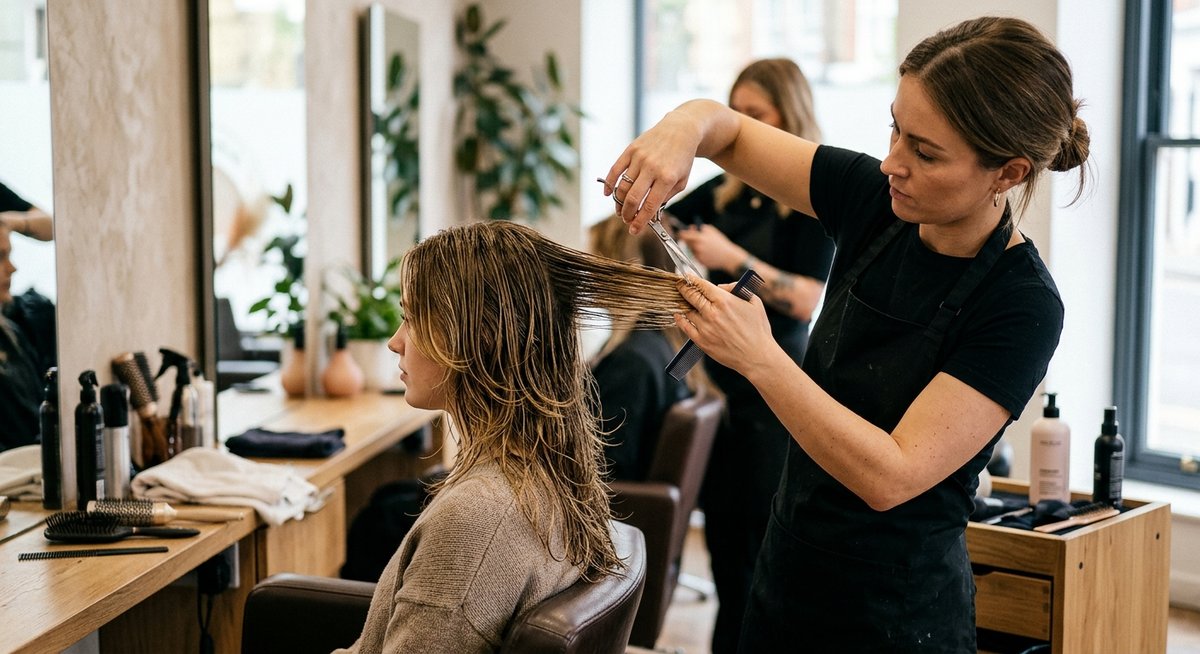
When a client asks for layered hair, many stylists instinctively reach for the foundational “uniform” and “long” techniques. Yet true mastery involves more than following a static pattern—it’s about controlling elevation, overdirection, and section angle. For example, the uniform layer (90 degrees from the scalp throughout) produces soft, even volume, ideal for curves and waves. In contrast, the long layering technique, which utilizes higher elevation at the crown and low elevation at the base, preserves length while building movement along the mid-lengths. These classic methods evolve constantly as stylists adapt them to head shape, density zones, and trending silhouettes.
Adapting Layered Haircut Techniques to Individual Client Needs
In modern salon practice, the skill lies in tailoring. For instance, a client with heavy, straight hair desiring beachy movement benefits from slide-cut layers using vertical sections and a razor, avoiding bulk removal in the perimeter for a lived-in finish. For curly hair, layering techniques require sensitivity to shrinkage and curl spring—round layering, cut on dry hair, supports the natural coil pattern while preventing the dreaded “triangle” shape.
Consultative Approach: Matching Layered Haircut Techniques with Styling Goals
Consultation is critical. At Bloom Hair Studio, we always clarify a client’s at-home styling habits and desired maintenance. For someone who prefers wash-and-go hair, seamless layering minimizes styling effort and avoids abrupt shelf lines. On the other hand, clients looking for more fashion-forward geometric shapes may appreciate a structured, deliberately visible layering technique using a blunt scissor finish and distinct internal weight lines.
Modern Layered Haircut Variations
Beyond the basics, contemporary trends demand advanced adaptations. Shag haircuts, for instance, require short-to-long techniques with “disconnected” zones for a rock-inspired, effortless vibe. Curtain bangs blend into face-framing layers, using steep overdirection and point-cutting at the front. Butterfly and wolf cuts intermix short crown layers with elongated tails for volume on top and dramatic perimeter movement. Each variation relies on a strong grasp of elevation and finger angle, with precise sectioning for balanced results.
Texturizing Methods Complementing Layered Haircut Techniques
Texture and layering often go hand in hand in salon work, but they’re not identical. Razor cutting softens the visual line of layers, making classic shapes appear more modern and wearable. Slide cutting creates fluidity, especially valuable for medium-to-long layers looking for airiness and movement. Deep point cutting or notching can remove bulk without altering the architectural layer structure, ideal for thicker textures. However, overuse of thinning shears or razors on fine hair will backfire—advanced stylists must gauge hair integrity throughout the process.
Products and Post-Cut Styling for Enhanced Results
techniques alone aren’t the end of the service; finishing products and styling tools make the details pop. For example, volumizing spray at the roots amplifies crown layers, while a light cream or serum defines ends without creating limp, greasy spots. The “wrap-dry” method with a paddle brush can smooth layers for a seamless look, or a curling wand can accentuate staggered lengths with undone waves. We always educate clients on recreating the effect at home, so their new silhouette stays fresh beyond the salon chair.
Layering for Different Hair Types: Practical Examples
To illustrate, let’s consider a few real-world challenges. A client presents with thick, wavy hair seeking manageability but not willing to lose length. A technique combining low internal layering at the nape (with a shallow elevation) and face-framing, steeply angled layers around the cheekbones balances the heaviness while maintaining a feminine outline. For someone with fine, straight hair longing for more volume, I favor a compact round layer around the back with light, texturizing point cuts throughout to avoid sparse ends.
Common Pitfalls When Executing Layered Haircut Techniques
Even experienced stylists occasionally create shelf lines or unintended holes if section angles or overdirection are off. At Bloom Hair Studio, we double-check natural fall by regularly combing each section down during the cut, working in manageable increments and maintaining even tension. It’s also critical to assess how the hair shrinks or moves once dry—some unevenness only appears during blow-dry, so periodic visual checks throughout the process are essential.
Continuous Education in Layered Haircut Techniques
Techniques evolve with trends and tools. The best stylists pursue ongoing training, watching global educators, and practicing on mannequins before each new approach hits a client’s head. For those looking to refine their own approach to techniques, resources like the Behind the Chair community provide ongoing tutorials, real-time feedback, and trend tracking straight from industry leaders.
Salon Implementation: Elevating Client Experience
At Bloom Hair Studio, our philosophy is that technical excellence in techniques directly builds client loyalty and satisfaction. We document each client’s specific layering formula and adapt with seasonal or style changes. By educating clients throughout the service, we foster trust and encourage long-term relationships rooted in expertise—not just the latest trend. Layering is never one-size-fits-all; it’s a dynamic exchange between classic discipline and personalized creative vision.
Conclusion: The Lasting Impact of Layered Haircut Techniques
Mastering techniques isn’t about memorizing patterns, but understanding the “why” and “how” behind each approach for every unique client scenario. Whether refining a soft, lived-in shape or crafting a bold editorial look, these methods unlock versatility both in the salon and in clients’ daily lives. In a fast-evolving industry, it’s this practical, tailored expertise that sets truly modern salons apart.