
From Ancient Practices to the Modern Salon: The Roots of…
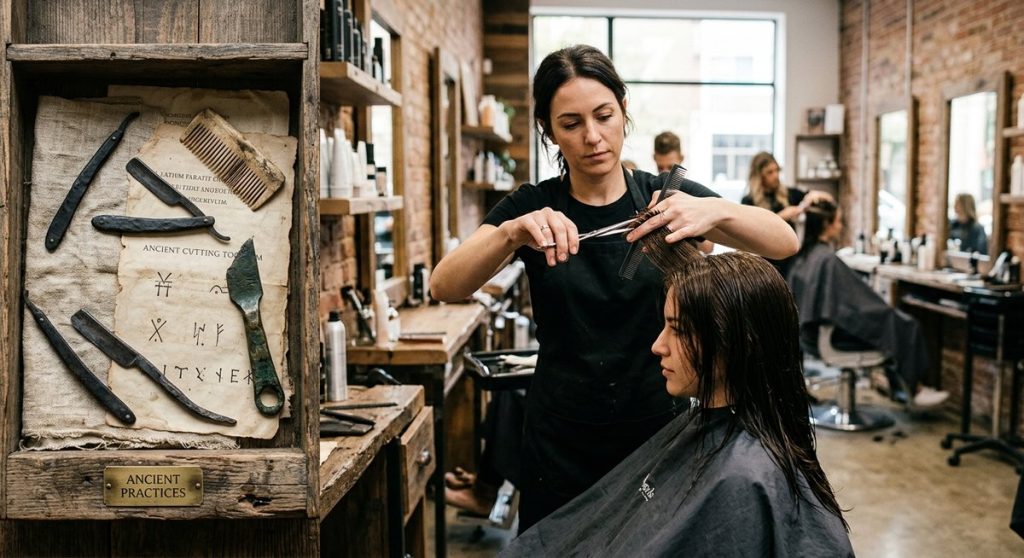
Hair cutting evolution is not just a phrase; it’s the lived progression and experimentation behind every shape and style we offer at Bloom Hair Studio. Each snip, from the early days of shearing to the meticulous sectioning of today’s advanced techniques, is the culmination of centuries of practice, innovation, and cultural adaptation. As stylists, understanding this timeline isn’t just trivia—it’s what differentiates a standard salon from a true studio of artistry.
Traveling back several millennia, the act of cutting hair was less about style and more about ritual, hygiene, and social status. Archeological evidence points to the use of primitive flint, oyster shells, and bronze blades as early tools. In ancient Egypt, for example, barbers played a sacred role, while in ancient Greece and Rome, hair cutting signaled both philosophical and military belonging. These beginnings set the stage for an ever-changing relationship between people and their hair, laying the foundation for what we recognize as evolution today.
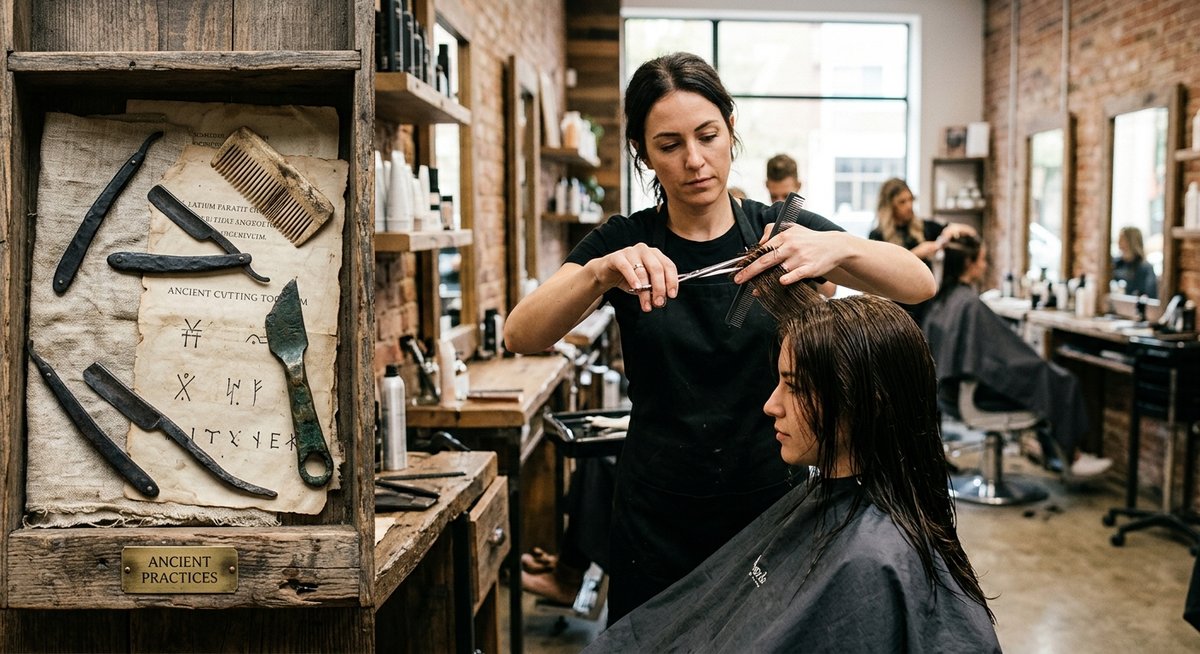
Birth of the Barber and Expansion of Scissor Craftsmanship
The Middle Ages and Renaissance period introduced the notion of the barber—not just for shaves but for complex layering and styling as well. Scissors, evolving from crude blades to finely crafted instruments, appeared in the 16th century, eventually becoming extensions of the stylist’s hand. By the time of the Industrial Revolution, advances in metallurgy allowed for sharper, more precise shears—a pivotal jump in evolution that led to greater creative freedom and control.
Technique Advancement: How Modern Styles Are a Product of Hair Cutting Evolution
Contemporary salons such as Bloom Hair Studio wouldn’t exist without the radical shifts of the 20th century. The 1920s Bob Cut is one iconic example: popularized by icons like Louise Brooks, this dramatic, geometric cut set new standards in both societal freedom and scissor technique. By mid-century, Vidal Sassoon’s “five-point cut” ushered in not only a revolution in hairstyling but also how stylists thought about hair shape and movement. These ideas underpin the technical training received by every modern stylist and are direct manifestations of ongoing evolution.
Refining the Craft: The Why Behind Sectioning and Layering
Layering and precise sectioning, mainstays of the Bloom Hair Studio toolkit, have roots in centuries-old tailoring and sculpture. When we section the hair, we are not only copying established methods but also leveraging principles learned from the geometry and anatomy studies Renaissance artists applied to their own crafts. Mastery over these techniques means stylists can consistently achieve balanced, tailored results—whether the inspiration is a classic French bob or an ultra-modern disconnected undercut. In all cases, evolution provides the theoretical and practical backbone of these everyday decisions.
Pivoting with Fashion: Hair Cutting Evolution Matching Social Shifts
Every stylist at Bloom Hair Studio has seen firsthand how hair trends align with societal moods. After the world wars, short, practical styles dominated; during the peace and prosperity of the late 20th century, expressive, statement-making shapes flourished. The rebellious razor cuts of punk, the layered shags of the 1970s, and precise blunt lines of the 2020s all exemplify reactions to broader cultural moments. Therefore, knowing the pattern of evolution arms us with perspective: we learn not just to follow a trend, but to interpret and apply cuts in line with our guests’ individual stories and the era’s spirit.
The Science Behind Hair Cutting Evolution: Structure and Shear Mechanics
While the artistry of a perfect cut is clear, science also underpins evolution. Modern education for stylists includes mapping the head’s shape, angle, and growth patterns before a single lock is lifted. The geometry of elevation—parallel, perpendicular, and diagonal lines—informs the fall and volume of the finished hair. The development of new shear types, like texturizing scissors or Japanese convex blades, represents ongoing innovation, improving accuracy and minimizing hair shaft damage. For a deeper read on tool development, Britannica’s history of shears showcases this technical side of the evolution.
Translating Hair Cutting Evolution to the Client Experience at Bloom Hair Studio
With all this history and technical understanding, how does evolution translate for our clients at Bloom Hair Studio? It means every consultation starts with more than just a question—it’s a short interview and scalp assessment rooted in centuries of practice. We discuss head shape, facial features, life routines, and desired maintenance because our vision is guided by what centuries of stylists before us have learned. When we propose a texture-heavy shag or a tailored bob, it’s with an understanding of both historical context and present-day practicality.
When Tradition Meets Modern Technique: A Case Study from the Studio Floor
Take for example a recent client: she wanted a blend of classic and modern—a 1970s-inspired curtain bang with a clean, French bob silhouette. This request echoes moments throughout evolution, layering reference points and methods. The initial sectioning borrowed from Sassoon’s precision cutting, then transitioned into point-cutting and sliding techniques that allow for softer, more adaptive shaping. Throughout, the stylist navigated both heritage and innovation, exemplifying the daily reality of a studio that respects and utilizes every stage of evolution.
Why Hair Cutting Evolution Remains Central to Salon Excellence
To stay relevant, every stylist must adapt to where the spectrum of evolution is heading next. Whether that’s learning digital razor detailing, embracing eco-conscious products, or revisiting classic finger-waving for editorial shoots, it all requires openness to both tradition and change. At Bloom Hair Studio, this commitment means ongoing education, tool mastery, and an appreciation for every cut’s origin story. The reason our guests come back isn’t just skill, but the subtle way historic artistry and scientific precision merge in every appointment.
Continuous Learning: Following the Path of Hair Cutting Evolution
Keeping up with evolution isn’t a one-time effort. Industry leaders recommend ongoing training, hands-on workshops, and active engagement with global style trends. Bloom Hair Studio’s team regularly attends webinars, follows competitions such as the International Hairdressing Awards, and integrates cross-cultural influences into daily practice. The result—each stylist embodies a living archive of hair cutting’s historical journey while never losing sight of innovation.
Conclusion: Bringing the Past into Every Present Cut
The history of evolution is never static. Whether you’re a stylist looking to refine your craft or a guest seeking a service that honors both trend and tradition, knowing this journey adds meaning to every transformation. At Bloom Hair Studio, we see every technique and every tool as a chapter in a bigger story—a story we shape, quite literally, cut by cut.