
Why Clients Request the Balayage technique Over Foils
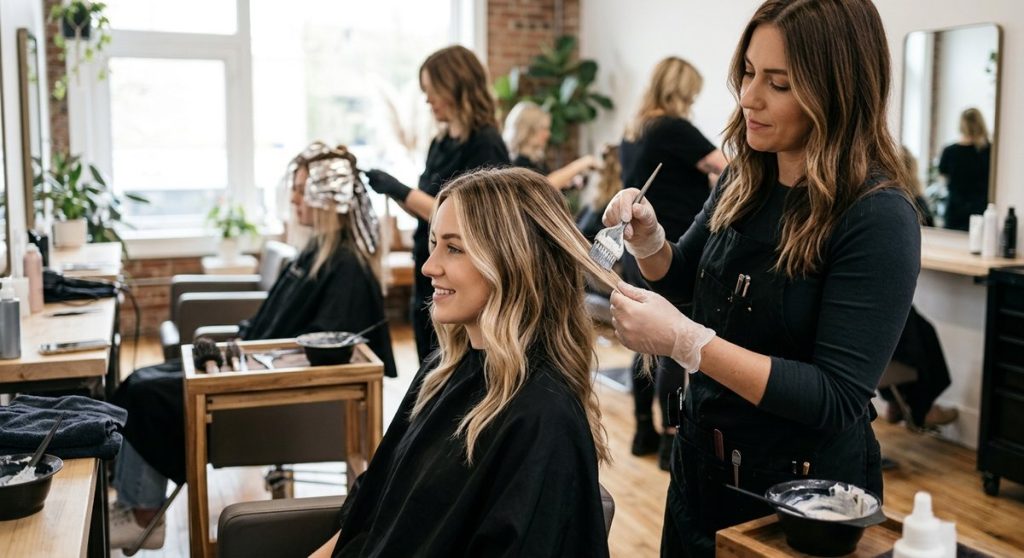
Balayage technique has become a staple for seasoned colorists at Bloom Hair Studio aiming for natural-looking highlights that clients love. The deliberate, artistic approach sets this freehand method apart from traditional foiling, but achieving flawless results requires more than just sweeping color onto the hair. Below are the real-world factors, steps, and troubleshooting strategies I’ve found essential over years of salon experience.
Clients increasingly seek the Balayage technique not just for the soft, sun-kissed finish but also because the grow-out is far more forgiving than classic highlights. Where foils create a sharp demarcation at the roots, hand-painted balayage creates a natural diffusion. Many guests mention they’ve gone up to three or even four months between appointments without harsh regrowth. That lessens their maintenance stress and gives us, as colorists, an easier canvas over time.
Consultation for Balayage: Managing Expectations and Color History
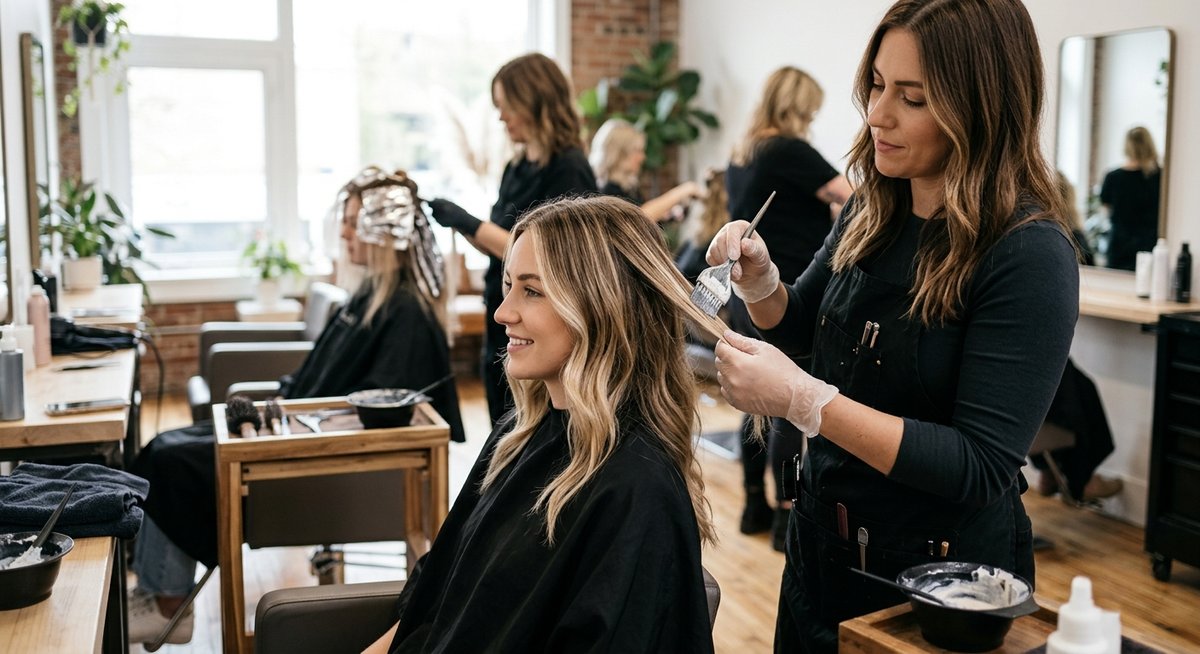
Diving into the balayage technique without a detailed consultation is a rookie mistake. For example, a client may request a bright caramel melt but has years of red box dye or a recent keratin treatment. Lifting over previous color takes expert assessment—sometimes a full color correction. I always explain that balayage builds on the existing canvas and that extreme lightening can require several sessions. Setting expectations—especially regarding undertones or residual warmth—is essential for client satisfaction.
Painting with Purpose: Placement Strategies in the Balayage technique
Not all balayage is created equal. Decisions on sectioning, saturation, and feathering dramatically affect the result. For first-time clients, I recommend classic face-framing pieces and a soft gradient through the mid-lengths and ends, avoiding stripes or harsh transitions. When a guest arrives with heavily layered or curly hair, I adapt my balayage technique—taking diagonal sections, focusing on the visible surface, and working carefully between curls to avoid blotchiness.
Brushes, Tools, and Lightener: Product Decisions that Impact Results
Choosing the correct brush size and lightener consistency for the balayage technique is more than personal preference. A too-wet formulation can lead to bleeding and a muddy finish, while a too-dry product will simply sit on the surface. For dense hair, I use firmer brushes and a heavier mix; for fine or porous hair, a fluffy brush and creamier mix prevent over-processing. Remember, the right board helps maintain even tension—especially on longer hair where you need control and clean edges.
Troubleshooting: When Balayage Goes Wrong and How to Fix It
Anyone working in a busy hair salon knows how easily things can veer off course. Clients with previously compromised hair can lift unevenly or rapidly, risking damage. In these cases, I introduce Olaplex or a similar bond builder, lower developer volume, and increase my visual checks. When a section lifts too warm, I reach for blue-based toners; when a client returns with patchiness, sometimes from at-home touchups, I use a micro-root melt or gentle lowlights to restore the blend. Prevention always beats correction, but quick, knowledgeable fixes keep your reputation intact.
Balayage Technique Variations: Creative Adaptations
For stylists at Bloom Hair Studio who want to push boundaries, balayage offers an adaptable framework. For instance, babylights can be integrated at the hairline for extra brightness, or color-melting can marry two or more shades for depth and movement. I often use foilayage—a hybrid technique—to gain higher lift in resistant areas while preserving the hand-painted look elsewhere. This sort of hybridizing keeps results bespoke and predictable across different hair types.
Aftercare Conversations: Ensuring the Longevity of Balayage Results
The lifespan of the balayage technique doesn’t depend only on your color skills. I always prescribe sulfate-free, color-safe shampoos, emphasize the importance of leave-in treatments, and encourage low-heat styling routines. I also explain the effect of hard water or frequent swimming—both notorious for dulling and fading lifted hair. Clients who follow this regimen reliably return with better looking color and healthier hair, streamlining future services.
Monitoring Trends: Balayage Evolves with Client Demands
I’ve found that the balayage technique keeps evolving with shifting fashion and client preferences. Recent seasons have seen “contour balayage,” where specific pieces frame the face, and subtle reverse-balayage for added richness at the roots. Following authoritative industry sources, such as Behind the Chair, helps me stay up-to-date with the latest ideas that clients may bring up at their next appointment. Staying nimble ensures our salon’s balayage work remains both on-trend and personalized.
Closing Advice: The Balayage technique as an Ongoing Skill
To sum up, the balayage technique is more than a buzzword; it’s a versatile, in-demand service that rewards ongoing learning and hands-on refinement. Every client, hair texture, and goal presents its own set of decisions. By treating each application as a distinct creative process, stylists can deliver the natural, low-maintenance highlights that keep clients coming back to Bloom Hair Studio. For stylists looking to master their craft, there’s simply no substitute for continuous practice, education, and open conversation with clients and peers alike.