
Understanding Layered Haircut Options
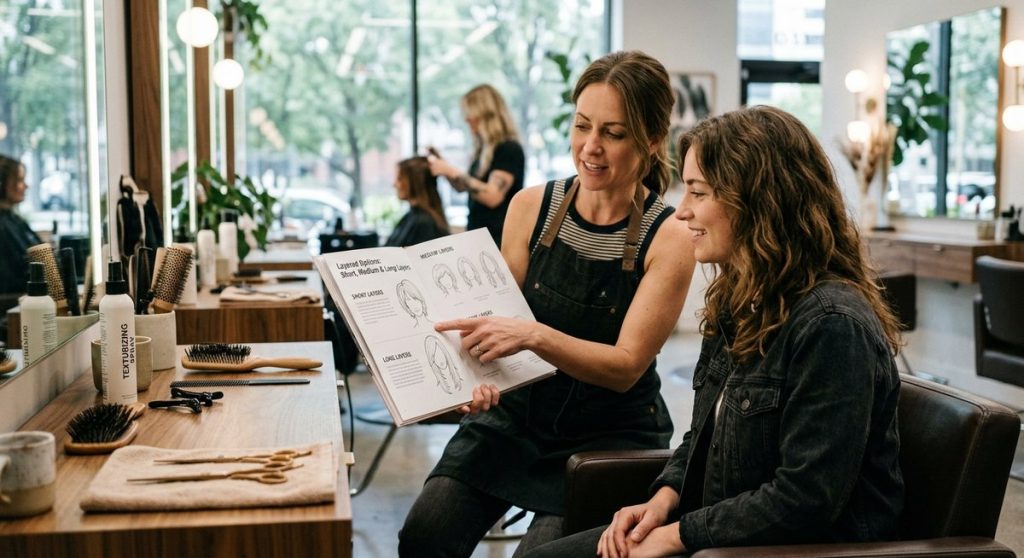
Clients at Bloom Hair Studio often ask about layered haircut options when considering a change from blunt cuts or adding movement to their hair. The term “layered” covers a surprising range of techniques and results, and not every layer type will create the effect your client is imagining. Below, I’ll break down practical differences between major layered haircut options and how to help clients (or yourself) choose the best fit for specific hair types, personal style, and styling habits.
First, let’s ground what we mean when we say “layered haircut options.” At its core, layering refers to cutting the hair at differing lengths throughout the head—which changes how it sits, moves, and frames the face. But the execution varies widely. There are classic long layers, shaggy or heavily textured layers, face-framing layers, short choppy layers, and blended low-contrast layers, among others. Each brings its own technical and aesthetic impact, so the goal is to match the right type of layering both to the hair’s natural characteristics and the client’s lifestyle.
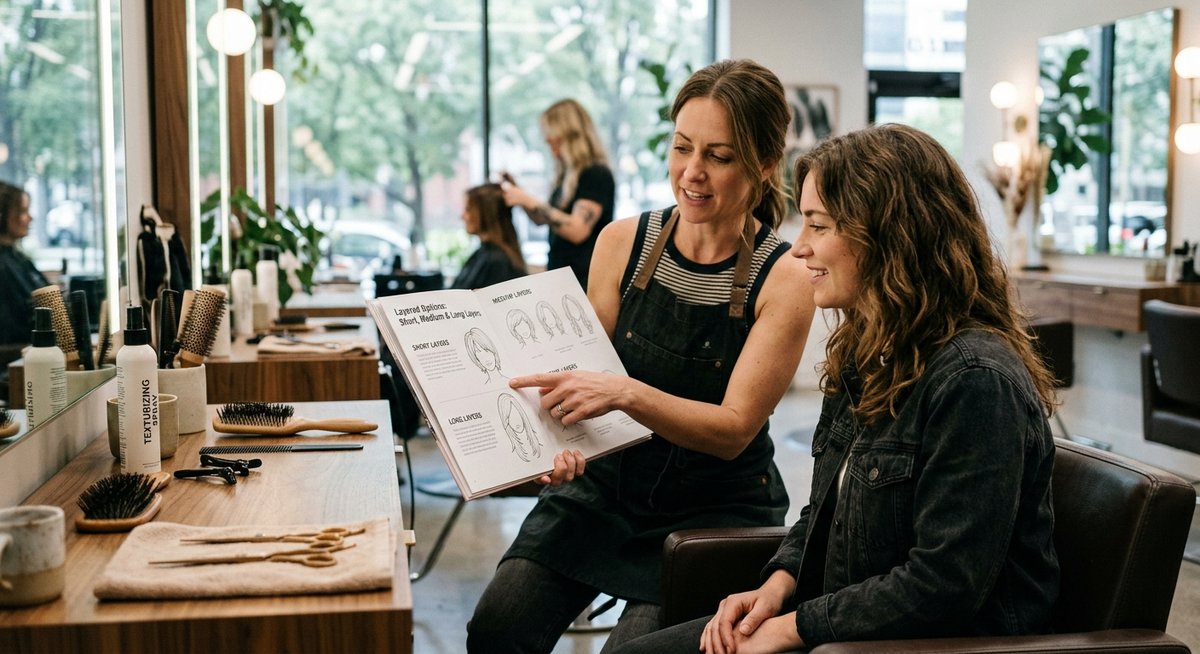
Evaluating Hair Texture and Density Before Layering — layered haircut options
Before diving into layered haircut options, assess the client’s hair characteristics. Is it fine and straight, thick and wavy, or curly with a dense base? For example, heavy layering on fine hair can strip away fullness, while thick or curly hair can gain vital movement and control from strategic layering. Many clients expect “layers” to add volume, but with fine hair, fewer, longer, and more blended layers will preserve body better than short or choppy ones.
Always run your fingers through dry hair and use well-lit mirrors when evaluating. For someone with coarse, wavy hair, point-cutting into layers can encourage shape and bounce, but harsh, blunt layers may create an awkward silhouette that will require more effort to style.
Comparing Classic vs. Modern Layered Styles
When discussing layered haircut options, clarify with the client what they’re picturing. Here’s how classic and trend-forward approaches differ:
- Classic long layers: Length is preserved at the baseline, with subtle interior layers to remove bulk. Excellent for almost any hair type as it adds gentle movement and is easy to grow out. Best if the client seldom heat-styles or wears hair up frequently.
- Shag or heavily textured layers: Shorter pieces throughout, often with face-framing and crown lift. This suits thick, wavy, or curly hair—clients who want more “undone” or editorial styling options love this, but it does need more maintenance and a willingness to embrace texture.
- Face-framing layers: These involve layering just the front sections, from cheekbone to collarbone usually. Good for adding lightness and blending in grown-out bangs, suitable for most hair types. They soften features and help ponytails look more styled even without effort.
- Choppy or short layers: Great for short haircuts and bold shapes. However, they require confidence, especially on fine or straight hair—too many short layers can thin out the shape quickly, so use this sparingly unless the client styles with product regularly.
- Invisible or blended layers: Best for those who want manageability and subtle shape without any “piecey” look. This is ideal for straight, medium-density hair where obvious layers would look too stark but some structure is still needed.
Pros and Cons: Practical Effects of Popular Layered Styles
The choice between these layered haircut options should balance style aspirations and what’s realistic based on hair type and daily routine. For example, classic long layers are near fail-safe, but a shag requires more styling commitment to look its best. Choppy layers can revive limp short hair, but are harder to grow out gracefully than long, blended options.
Key differences to point out as a stylist when helping clients decide:
- Maintenance: The more aggressive and varied the layers, the more regular trims are required to keep the shape intentional rather than haphazard.
- Styling needs: Shags and choppy layers often need texture sprays or diffusing. Classic layers air-dry better but offer less dramatic volume.
- Grow-out process: In contrast to even-length cuts, layered hair may look uneven as it grows—offer tips for blending or book maintenance cuts at longer intervals.
- Face shape: Choose the type of layering (length, placement) to highlight features strategically—face-framing layers work wonders for softening square or oval faces.
When to Recommend Each Layered Haircut Option
Start by prioritizing the client’s end goals: do they want volume, movement, easy styling, or a total transformation? Here are scenarios for guiding clients (or yourself) through these choices:
- If the client rarely styles and wants a low-maintenance, polished look, suggest long blended layers with minimal removal of length at the top.
- A client struggling with flat, heavy hair may prefer more aggressive top or crown layering—explain they’ll need a styling product or blow-drying for best results.
- For anyone experimenting with curls or waves, avoid harsh, choppy layers unless they enjoy big volume and plenty of definition—subtle point-cutting or dry layering is safer at first.
- For those who change their mind often or want to grow their hair out again, invisible layers are the least permanent-feeling and easiest to transition back to a blunt cut.
Layered haircut options for popular hair lengths
Clients sometimes bring photos of celebrities or trends, but these reference images usually don’t match their natural length or texture exactly. When considering layered haircut options for short, medium, or long hair, keep these distinctions in mind:
- Short hair: Go for fewer, more sculpted layers or choppy pixie styles. This is effective for bold statements but must fit the head shape and jawline.
- Medium (shoulder-length): This length handles nearly all kinds of layering, from subtle, blended face-framing to dramatic shags. A mid-length cut is the most forgiving for experimenting.
- Long hair: Limit layering to maintain weight and prevent stringiness. Use long, gently blended interior layers for movement, or add soft face-framing to freshen up the look without sacrificing length.
Consultation Tips for Stylists: Making Layered Haircut Choices Together
During a client consultation at Bloom Hair Studio, visual aids such as “before and after” photos and swatches will clarify which layered haircut options are practical. Encourage clients to describe how they usually style their hair and how much time they’re prepared to spend. Ask what they like and don’t like about their current haircut; this quickly reveals if more layering might fix or worsen existing issues like flatness, triangle shape, or frizz.
It’s also worth reviewing advice from credible sources; for example, experts at Allure provide visual examples of how different faces and textures suit various layered styles. Sharing such visuals during a consult can help set realistic expectations and boost the client’s confidence in their final choice.
Summary: Personalizing Layered Haircut Options
Every head of hair is unique, so the best layered haircut options balance the imagined style with the client’s natural texture, face shape, and styling preferences. At Bloom Hair Studio, our approach is practical: not every trend works for everyone, but any texture can benefit from some form of layering if it’s selected thoughtfully and applied with intention. Whether choosing classic long layers, a bold modern shag, or seamless invisible layers, tailored advice always beats a one-size-fits-all approach. If you have questions about specific layering techniques or want to see which option would suit your hair type, consult professional stylists and reference trusted style guides before committing to the shears.