
How Wedding Hair Styling Originated from Cultural Traditions
Working with wedding hair styling daily at Bloom Hair Studio, I often find that each classic updo, braided detail, or modern sleek look is rooted in surprising history. Wedding hair styling is not just about executing a current trend — it is the result of centuries of evolving cultural values, technological changes, and artistic sensibilities, each filtering down to paint the experience and expectations you see in a contemporary salon. Let me walk through some lesser-known but pivotal aspects shaping wedding hair styling as we practice it now.
Most clients come in with Pinterest boards full of intricate braids and voluminous waves, but few realize that styling forges a direct line back to ancient societies. In ancient Rome, elaborate braided crowns symbolized virginity and social status among brides, often adorned with wildflowers or gold. Meanwhile, traditional Japanese bridal hair — shimada — was styled in distinctive sculptural forms finished with hair ornaments (kanzashi), not only as beauty statements but as carriers of good luck and prosperity.
Over centuries, Western styling drew inspiration from royal courts. Queen Victoria’s choice of a simple orange blossom crown and loose waves in 1840, for example, helped spark the white wedding and more romanticized styles. However, the ideals always adapted to the norms of the era: the sharply set waves of the 1920s, the post-war victory rolls, and the lavish updos of the 1960s all trace the intersection of fashion, practicality, and social context.
Evolution of Techniques in Wedding Hair Styling
Crafting a timeless updo today requires a mixture of old and new: hairpins and braiding for structure, but also hot tools, extensions, and specialized sprays for staying power. The tools available to stylists have changed dramatically — heated curling tongs became widespread only in the late 19th century, revolutionizing the ease with which soft curls could be created. More recently, hair extensions and high-definition finishing sprays make possible the lush, gravity-defying looks that clients increasingly request.
What’s often overlooked is how these tools dig back into tradition, updating techniques for longevity and comfort. For example, the finger waves of the 1920s required only a comb, water, and patience; today, stylists mimic this with irons and modern setting lotions, prioritizing speed while preserving the aesthetic. Encyclopedia Britannica’s history of hairstyling offers deeper dives into these chronological shifts.
Wedding Hair Styling and Symbolism: Why Looks Change with the Times
Bridal hair choices have always been heavy with symbolism. Hair worn up traditionally signified maturity, while floral embellishments or veils spoke to fertility, purity, and the hope for a bright union. Over time, the meanings have broadened. Today, many choose a styling that reflects personal identity, cultural heritage, or a favorite period in history. That means every chignon or loose braid could be referencing a Victorian ancestor, or even a celebrity wedding — consider how the royal weddings of Diana or Kate Middleton shaped entire decades of requests for soft, face-framing tendrils.
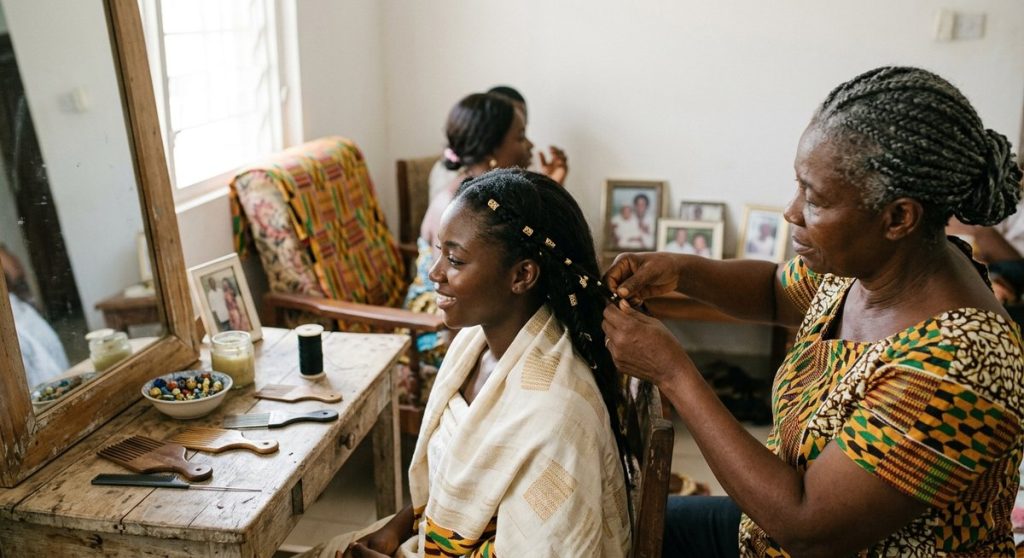
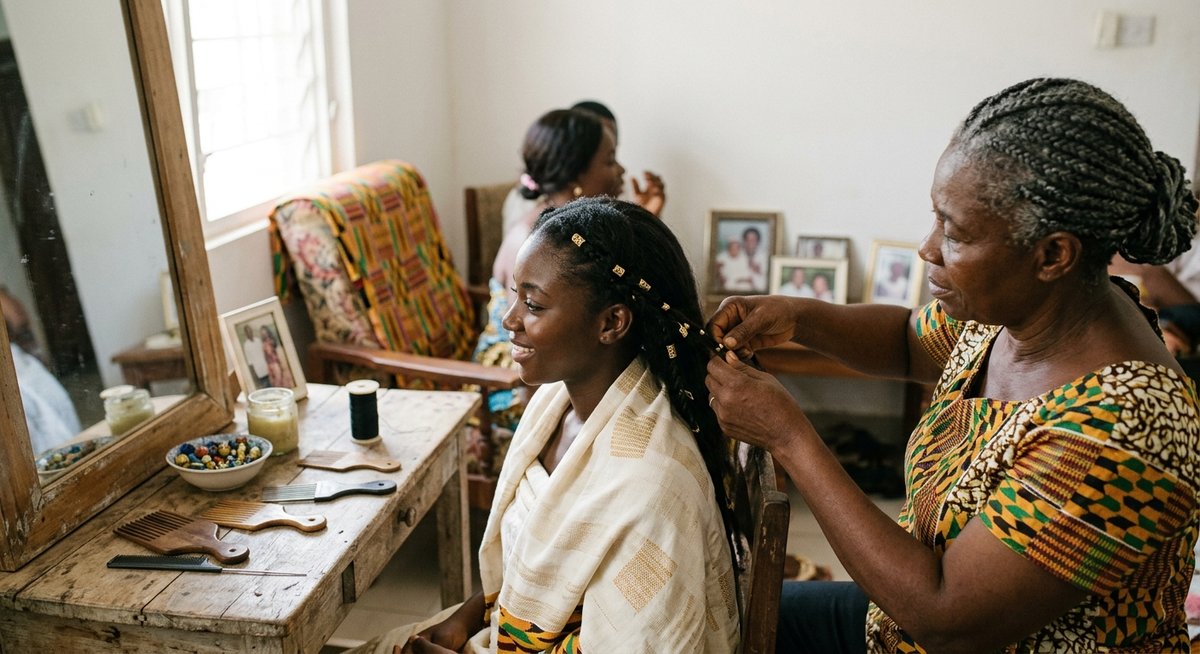
Moreover, in multicultural communities, stylists must be sensitive to traditions: intricate African hair braiding or classic Indian bridal buns, for instance, demand technical knowledge and cultural awareness well beyond surface-level aesthetics. At Bloom Hair Studio, collaborative consultations ensure these factors are respected, and clients feel authentically themselves on their big day.
Behind the Craft: How Professional Protocols in Developed
Beyond the look itself, the demands and expectations for bridal hair have shaped the hairdressing profession for centuries. styling once happened in the bride’s home and was often the work of a talented relative or local specialist. As salons emerged and training formalized in the 20th century, upstyling became a core curriculum component, and stylists began developing portfolios built on weddings alone.
Modern styling now incorporates long consultations, product tests, and practice runs — barely imaginable a hundred years ago. At Bloom Hair Studio, we trial styles under lighting and temperature conditions similar to the actual event, factoring in everything from wind at an outdoor venue to elaborate headpieces. This methodical approach is a direct inheritance from generations of problem-solving stylists who needed wedding hair to endure entire days of celebration.
Innovations That Shaped in Salons
No story about styling would be accurate without addressing innovation: from the permanent wave and the invention of hair lacquer in the mid-1900s, all the way to customizable clip-in extensions and 3D-printed tiaras today. It sounds futuristic, but many Bloom Hair Studio brides now request subtle volume pieces or tailored accessories fabricated for a perfect match.
Furthermore, digital photography and social platforms have transformed the stakes. Not only do looks need to last for twelve hours, but they must photograph perfectly from every angle. This pushes stylists to blend traditional pinning skills with camera-friendly shine sprays, anti-humidity protectants, and finishing touches tailored for high-definition scrutiny.
The Enduring Importance of Understanding ’s Roots
I find that a truly memorable bridal style is built on technical mastery and a deep appreciation for the history and cultural significance behind it. Wedding hair styling’s enduring appeal relies on this blend of heritage and adaptability. The trendiest braid or the most classic bun is only as strong as the understanding of its foundations. By balancing creativity with respect for the traditions and technological advances that came before, stylists forge looks that honor the past while capturing the spirit of today’s diverse brides.
For stylists and clients alike, a wedding is not just an event — it is an intersection of artistry, innovation, and history, all coming together a single hairstyle at a time.